Designing Circles of Connection for Life After Work
Designing Circles of Connection for Life After Work
THE PROJECT AT A GLANCE
The Gap Identified
Older adults lack dignified, social spaces to stay emotionally and mentally engaged beyond family or clinical care.
Older adults lack dignified, social spaces to stay emotionally and mentally engaged beyond family or clinical care.
How I Discovered It
Eight years into retirement, my father reached out to the local All India Radio Station to raise a concern: there were no dedicated spaces or opportunities for the elderly in his locality to connect, converse, or feel socially engaged.
Eight years into retirement, my father reached out to the local All India Radio Station to raise a concern: there were no dedicated spaces or opportunities for the elderly in his locality to connect, converse, or feel socially engaged.
What we created:
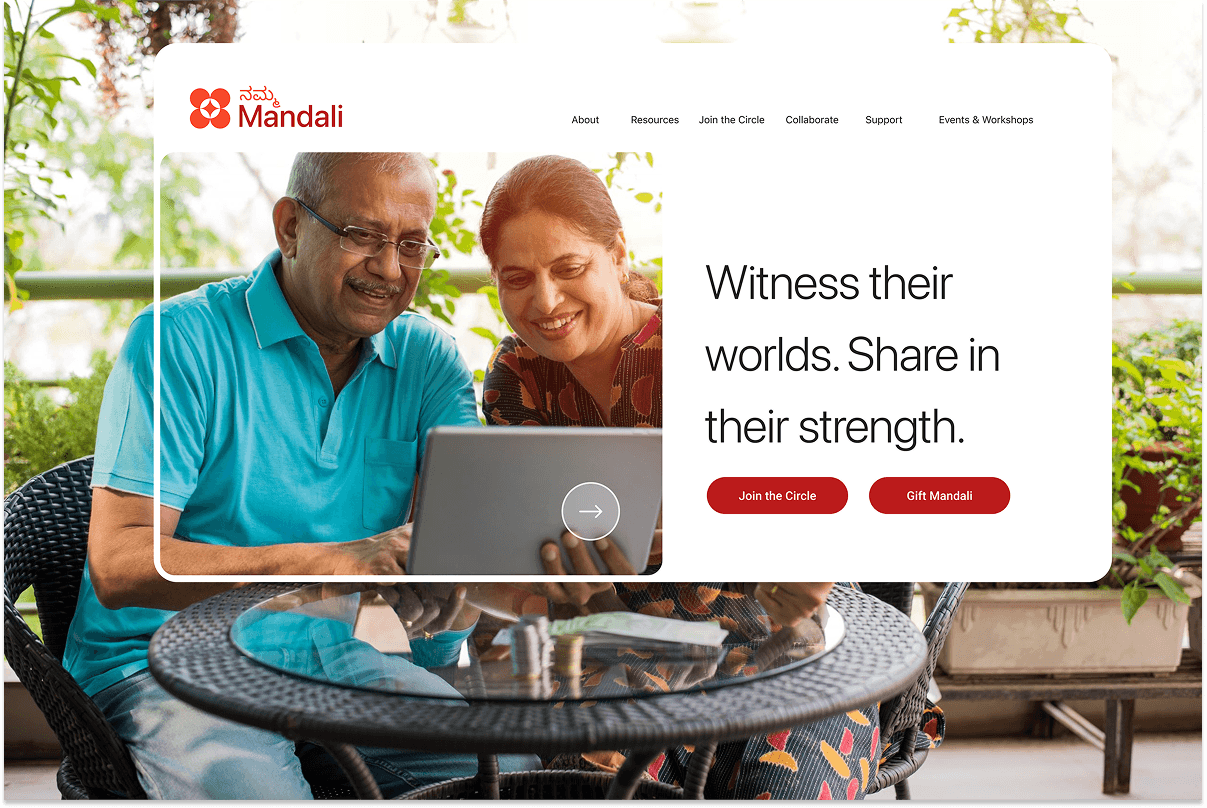
Mandali is a UX-driven service design project that reimagines post-retirement life through connection and purpose. It introduces a storytelling-based community platform where older adults can join or host small, recurring circles, creating routines of conversation, learning, and belonging.
The system spans both digital and physical touchpoints, from onboarding through gifting, to participation and community hosting, enabling a seamless, inclusive experience for a generation often left out of design conversations. Mandali turns social isolation into social agency, demonstrating how design can shape dignity, engagement, and growth in later life.
Mandali is a UX-driven service design project that reimagines post-retirement life through connection and purpose. It introduces a storytelling-based community platform where older adults can join or host small, recurring circles, creating routines of conversation, learning, and belonging.
The system spans both digital and physical touchpoints, from onboarding through gifting, to participation and community hosting, enabling a seamless, inclusive experience for a generation often left out of design conversations. Mandali turns social isolation into social agency, demonstrating how design can shape dignity, engagement, and growth in later life.
PROCESS FOLLOWED
PROCESS FOLLOWED
Observed the surface
We looked at existing systems, services, and patterns.
Observed the surface
We looked at existing systems, services, and patterns.
Listened deeply
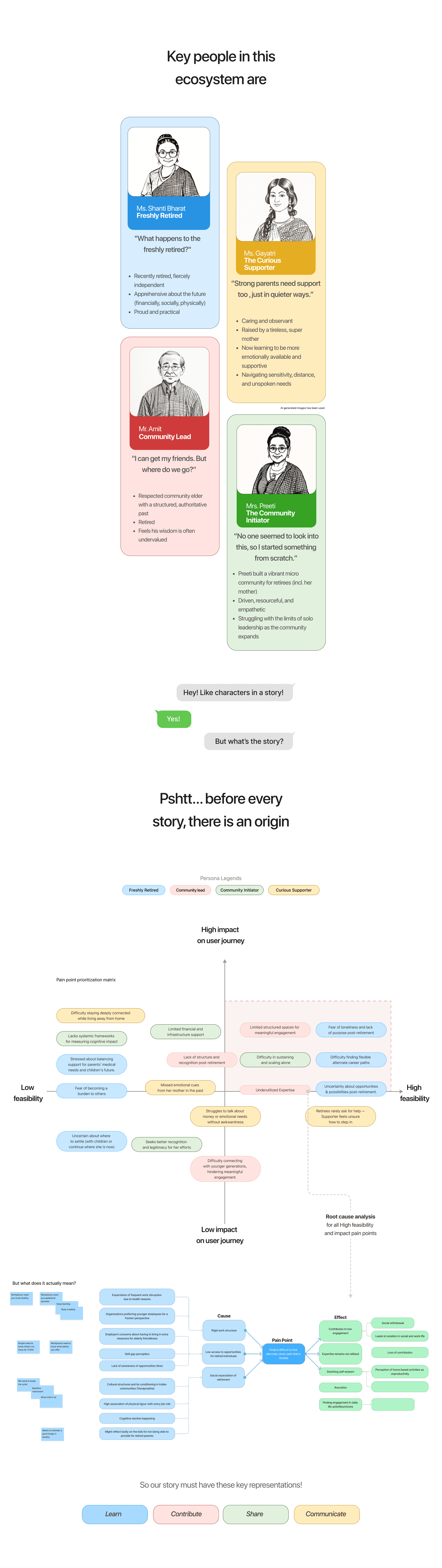
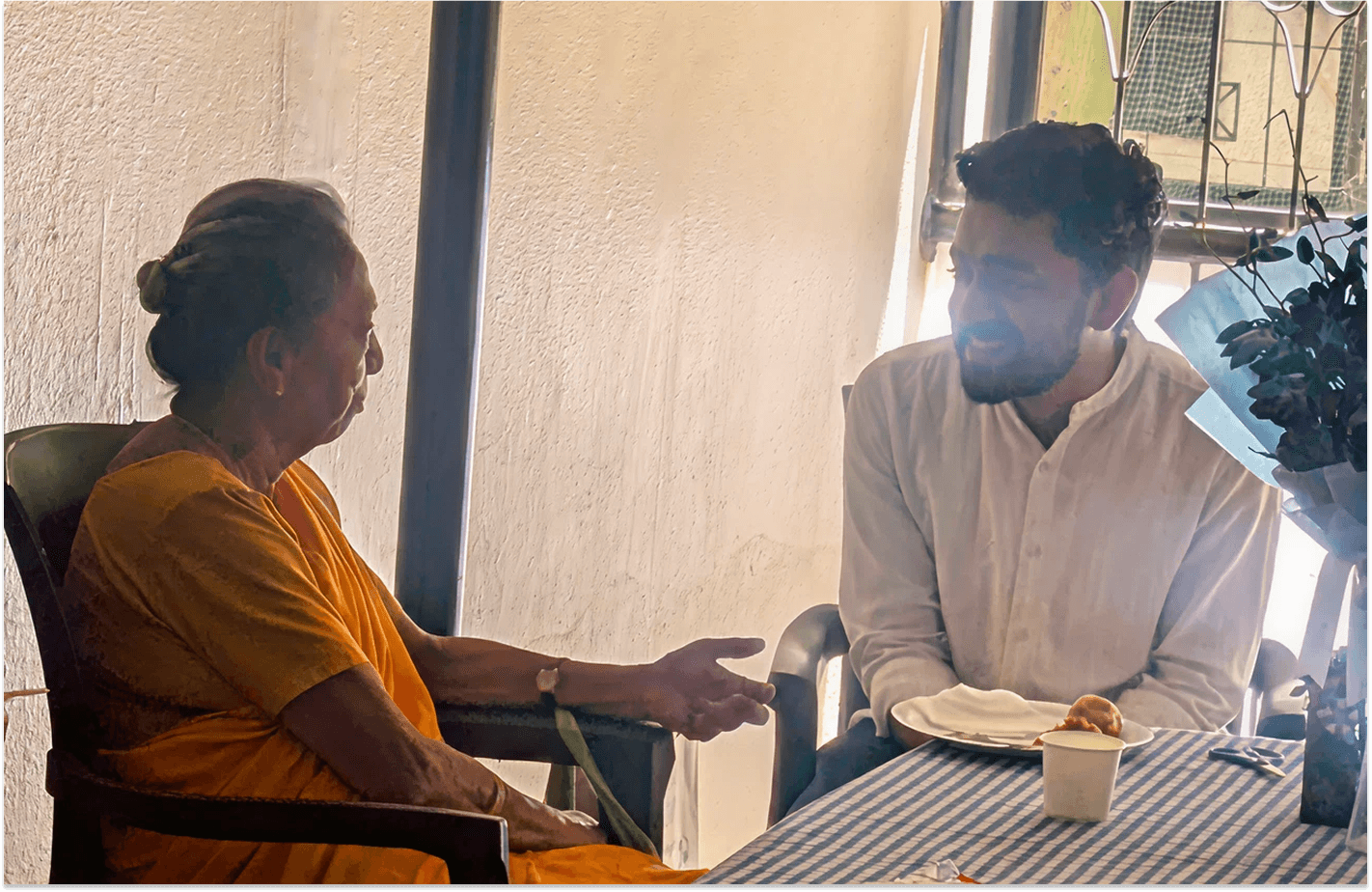
We heard real stories — of loneliness, loss, and longing.
Listened deeply
We heard real stories — of loneliness, loss, and longing.
Reframed the problem
It’s not just about access. It’s about identity, rhythm, and purpose.
Reframed the problem
It’s not just about access. It’s about identity, rhythm, and purpose.
Prototyped small routines
Every feature began with a real story or need.
Prototyped small routines
Every feature began with a real story or need.
Built with empathy
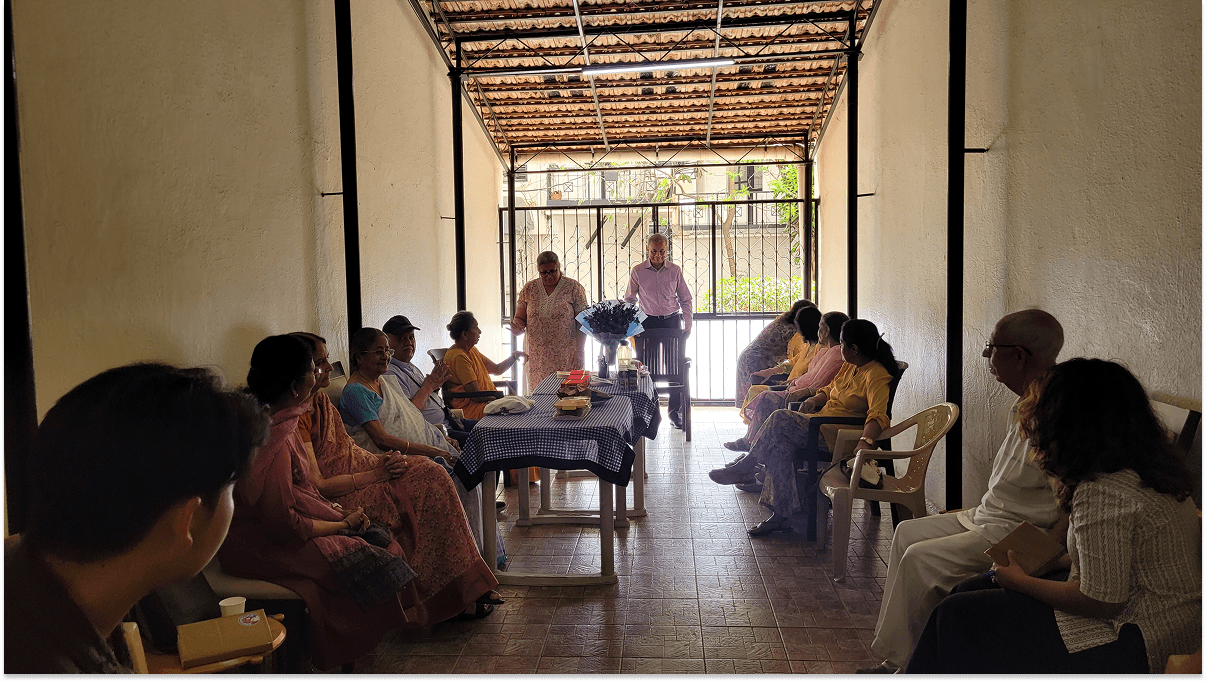
We co-created ideas with retirees, not just for them.
Built with empathy
We co-created ideas with retirees, not just for them.
Mapped what’s missing
We saw the emotional gaps — where systems don’t reach.
Mapped what’s missing
We saw the emotional gaps — where systems don’t reach.

So? Did you learn something?
So? Did you learn something?
Yeah, I think so!
Yeah, I think so!
What is it?
What is it?