Humanizing digital healthcare with 922
CLIENT
922 Healthcare
Role
Designer/Researcher
Service
UX Design, UXR
THE PROJECT AT A GLANCE
The Gap Identified
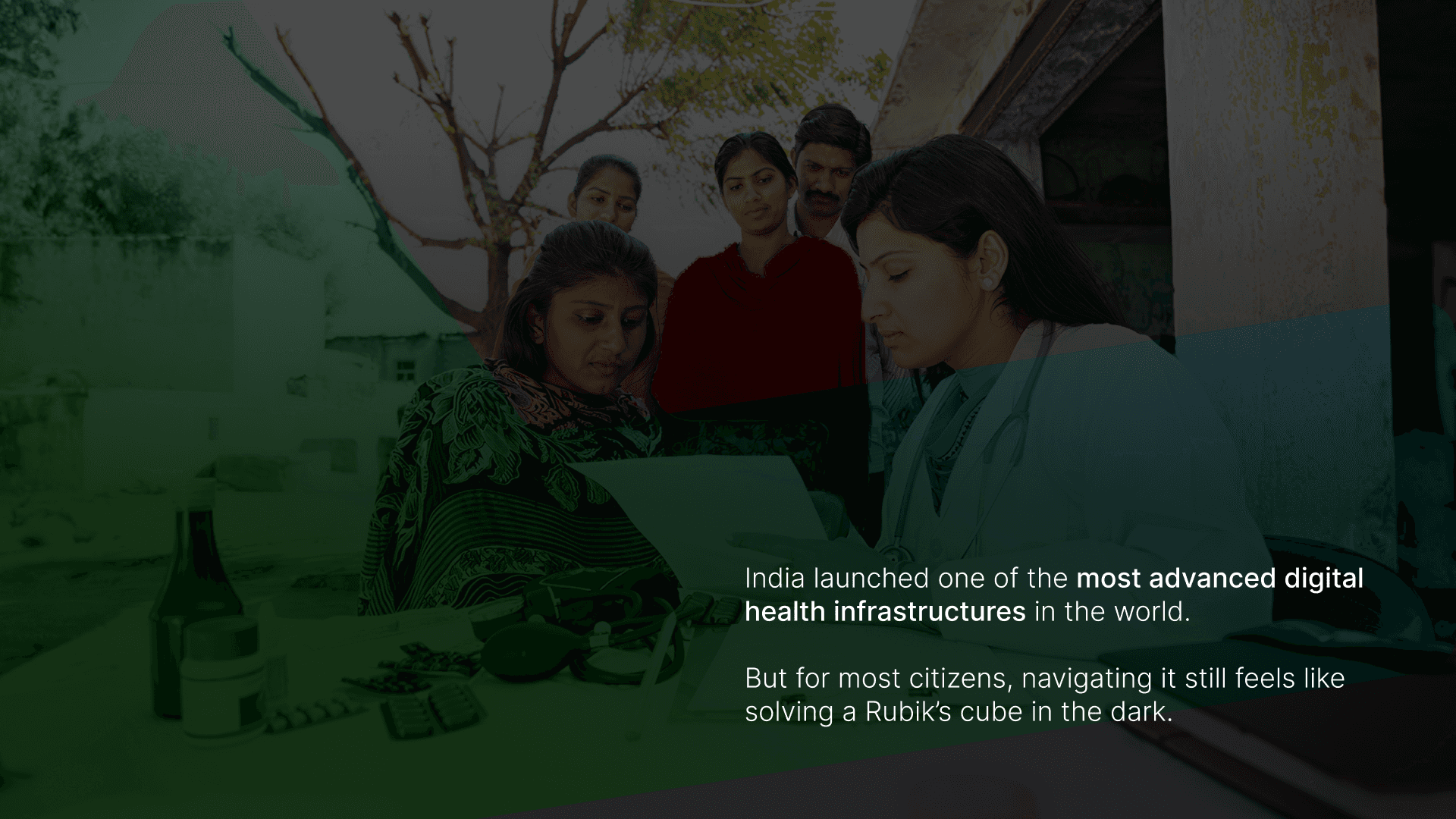
India launched one of the most advanced digital health infrastructures in the world.
But for most citizens, navigating it still feels like solving a Rubik’s cube in the dark.
How we Discovered It
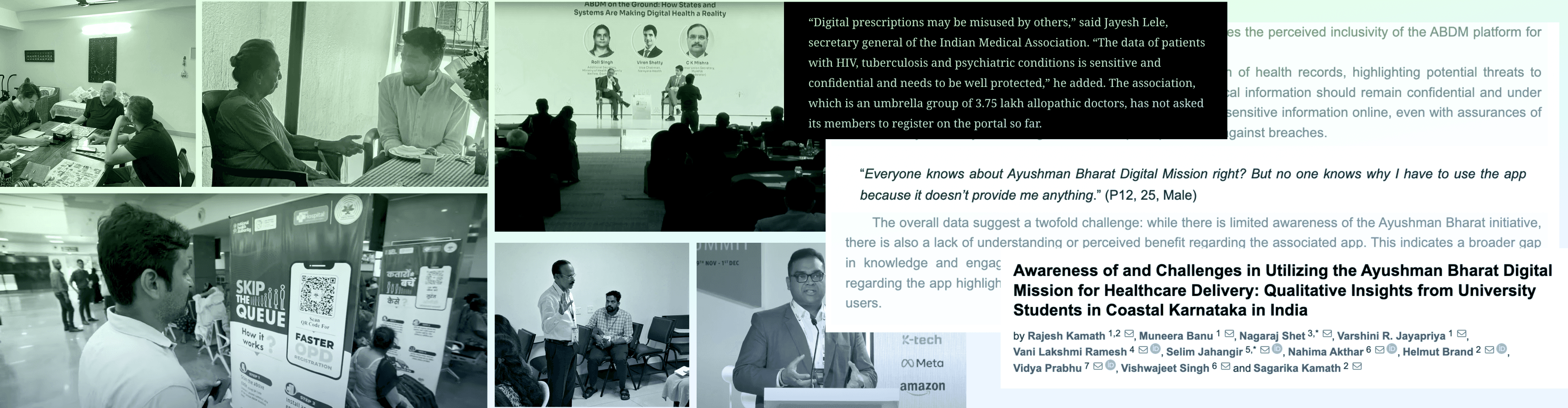
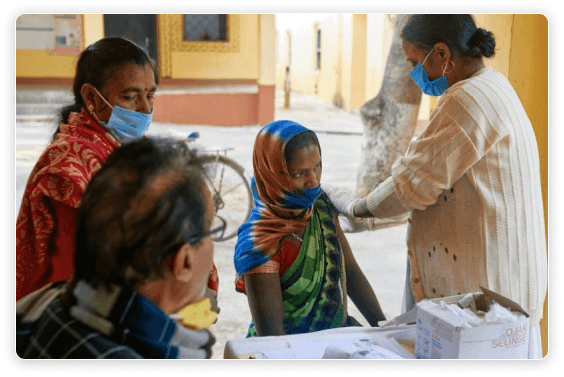
Through qualitative interviews by 17 postgraduate students in healthcare and hospital administration from coastal Karnataka, I observed that most participants had heard of ABDM but didn’t understand its purpose or utility.
Thematic analysis revealed six core barriers: poor awareness, limited digital literacy, data privacy fears, lack of relevance, low visibility in media, and confusion with other government schemes.
What we created:
The outcome offers a roadmap for improving digital healthcare literacy and trust, ensuring that tomorrow’s healthcare workforce can effectively utilize India’s national digital health infrastructure.
My Role
Humanising Digital Healthcare
Sidharth Prem
Product Strategy and Design Execution
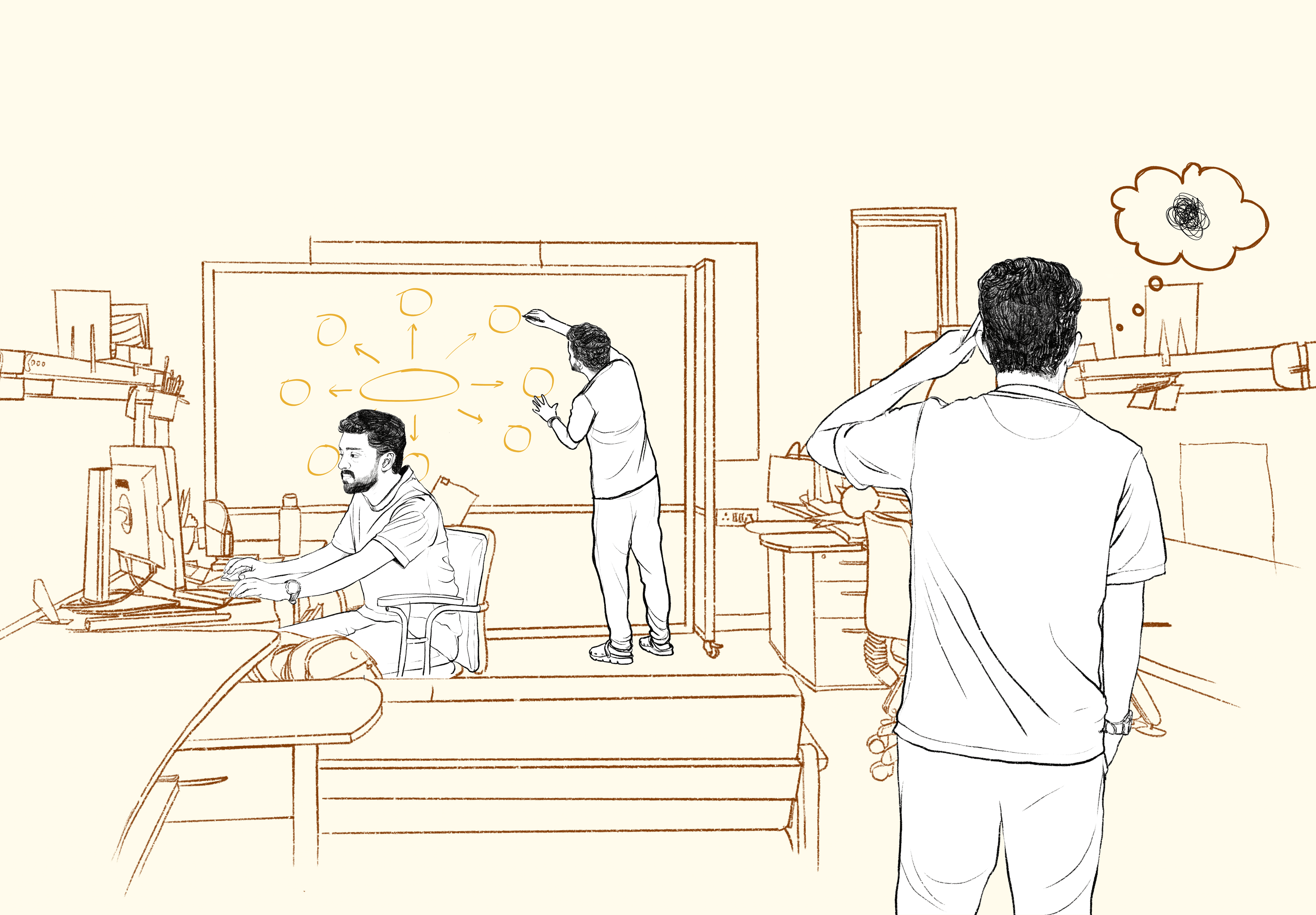
As the sole UX designer, I was tasked with designing the Patient Application for a larger digital health ecosystem. A key challenge was ensuring patient engagement beyond just medical records and doctor consultations
Project Formulation
Scope & Requirements
1 Month
UXR
User Personas
2 Months
Prototyping
Navigation Architecture
5 Months
DLS
Brand Identity
Ongoing
Inception
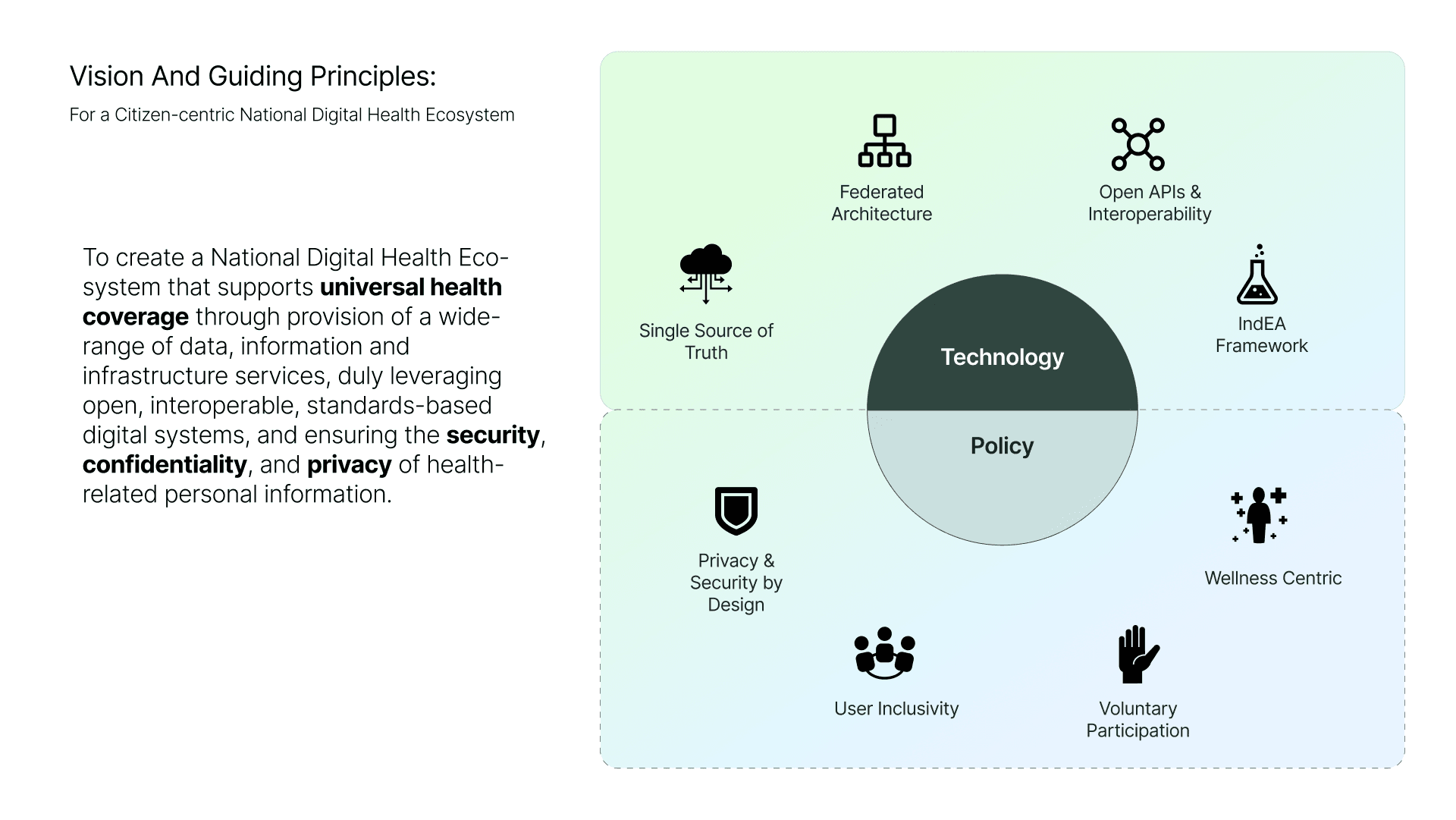
In 2020, India Launched Ayushman Bharat Digital Mission (ABDM)
1
National Health Policy 2017
Specific goals for digital technologies:
2
National Health Stack 2018
Components for digital health:
3
National Digital Health Blueprint 2019
Implementation Guidelines:
National Digital Health Mission (NDHM)
Pilot launched on 15th Aug 2020
What was not working?
This is what caregivers & individuals said

“I changed my phone and now I’ve lost all my prescriptions. They were in that app.”
“Too many apps, too many logins. I’ll just carry the reports next time.”
“They scanned my Aadhaar and created something, but didn’t explain what it was. Is that my health ID?”
“The lab guy sent my report on WhatsApp… now it’s buried under Holi photos.”
“I had to take a photo of the X-ray and send it to the doctor on Telegram. He couldn’t read it.”
“Every hospital uses a different system. It’s exhausting starting from scratch each time.”
“I didn’t go back for follow-up. They said I needed to bring all the previous prescriptions, and I didn’t have them.”
Hover over each person
& this is what the doctors said

“They come in with PDFs on WhatsApp, screenshots, crumpled paper reports—nothing is in one place.”
“I cant be asking for individuals everytime, neither can i afford a slip up or extra time on requests”
“One mistake in record access, and the patient loses trust in me—not the system.”
“We’re expected to magically connect the dots between tests, symptoms, and their memory.”

“Half the time I don’t even get the full case history. I’m just going off what they remember.”
“Sometimes I don’t know if the record I’m seeing is even up to date—or if it’s the right patient.”
We need consent models that are quick and clear—not 5-step complications that confuse both sides.
“One platform to check history, another for prescriptions, another for diagnostics—why is this so fragmented?”
Hover over each person
What did we discover?
But what we saw was confusion. People were either unaware of their ABHA ID, or didn’t know what to do with it.
The system existed — but it wasn’t designed for people. So our job wasn’t to reinvent policy. It was to translate it into care.
Fragmentation
Privacy Sensitivity
Continuity of Care
Accessibility & literacy
Awareness Gap
Trust & Security

Design North Star
This gap between availability and actual care is what made myself pause, reflect, and ask
—how might everyday healthcare feel more connected, humane, and intuitive?

Design North Star
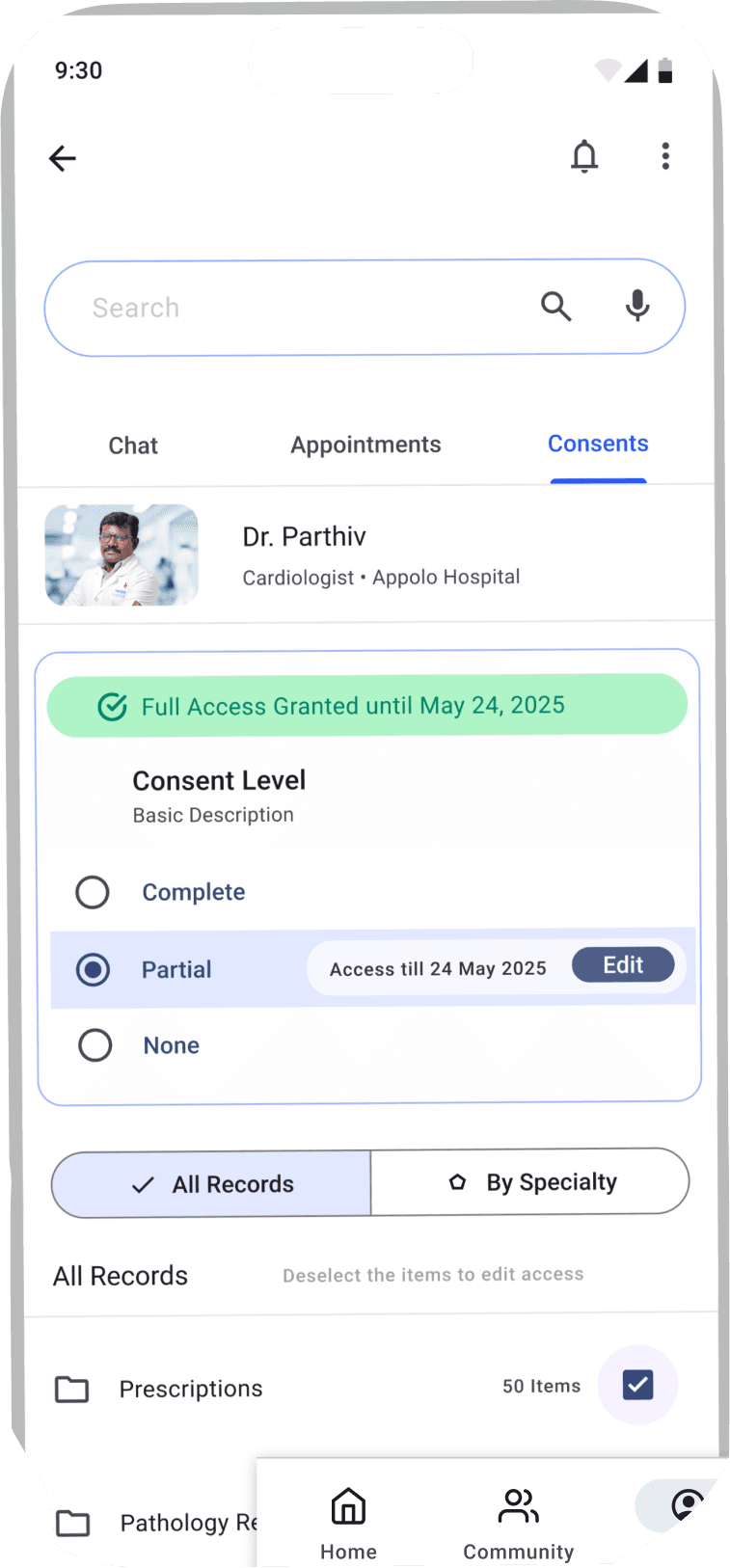
Give people full visibility and control over what they share, with whom, and for how long — through clear consent flows and simple language.
Give users control over their data

Help users upload, manage, and share their medical records easily — replacing fragmented PDFs and hospital files with one simple tap-based flow.
Ensure Paperless & Portable Care
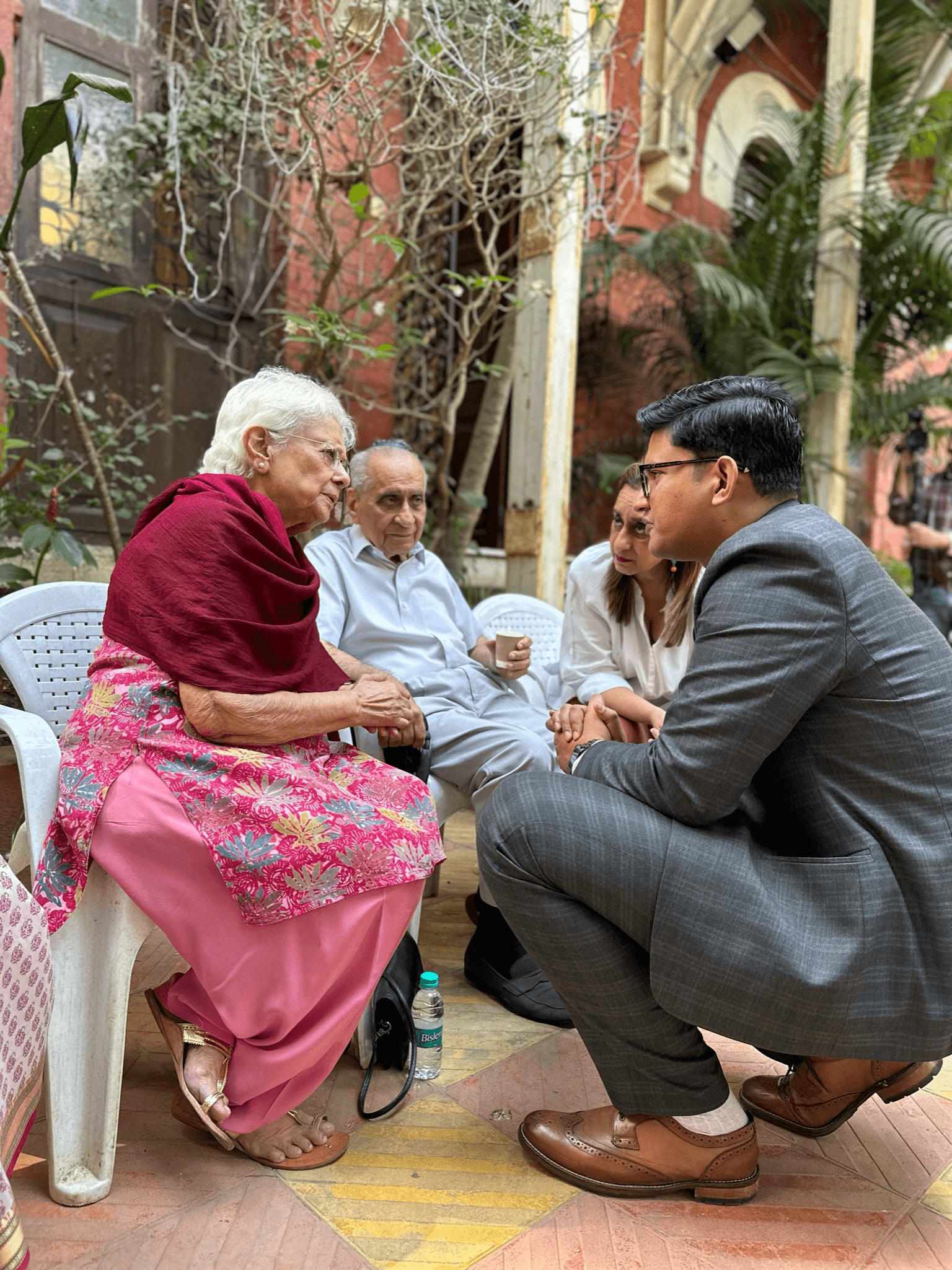
Foster familiarity by allowing people to stay connected to doctors they know, and make sense of trends in their health data — without medical jargon.
Build trust in digital healthcare
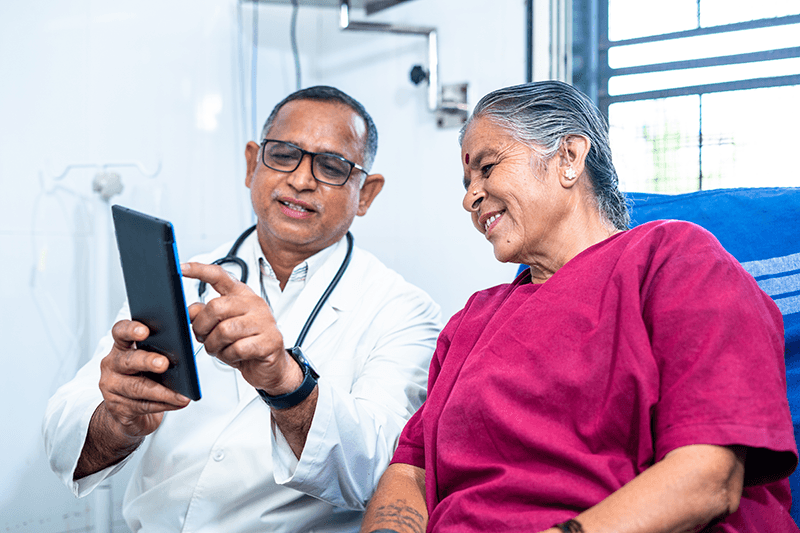
Ensure the app works for first-time users, elderly caregivers, and non-English speakers — by offering regional languages, clear visuals, and minimal typing.
Design for those usually left behind
caregivers
Doctors
Hospitals
Patients
STAKEHOLDER FOCUS
Medical . Tech Partners
Community Facilitators
Policy Designers
Public Health Experts
Third-party Diagnostic Centers
Health App Developers
Public Health Workers
Medical Researchers
Health Insurance Providers
ABHA team
Lab Technicians
We are designing inside a web of:
Central Beneficiaries
Direct Healthcare Providers
Platform Enablers
Governance Layers
Introducing
We help users
Make use of their ABHA ID
Understand it in simple language
Link and view health records
Share consent in a way that feels safe
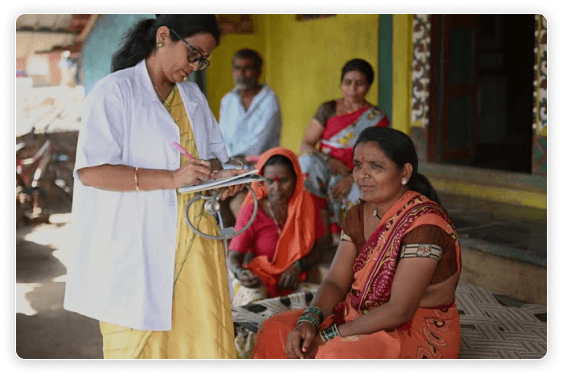
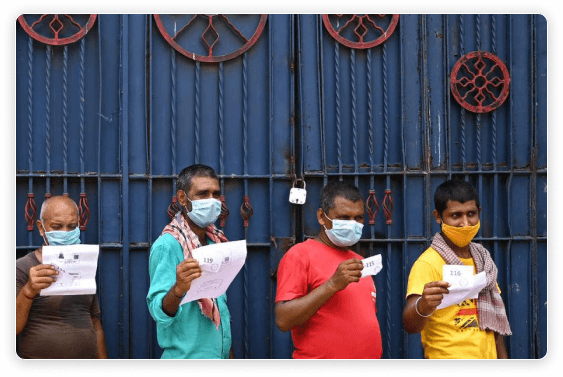
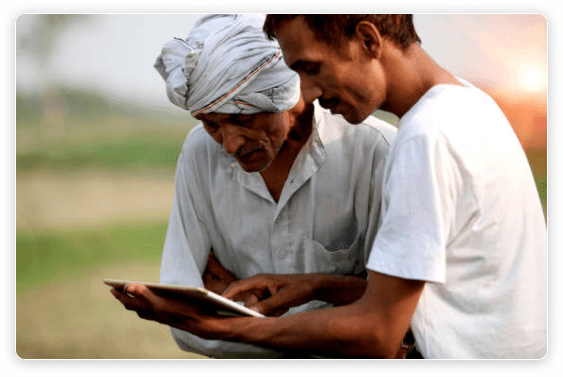
And most importantly — feel in control
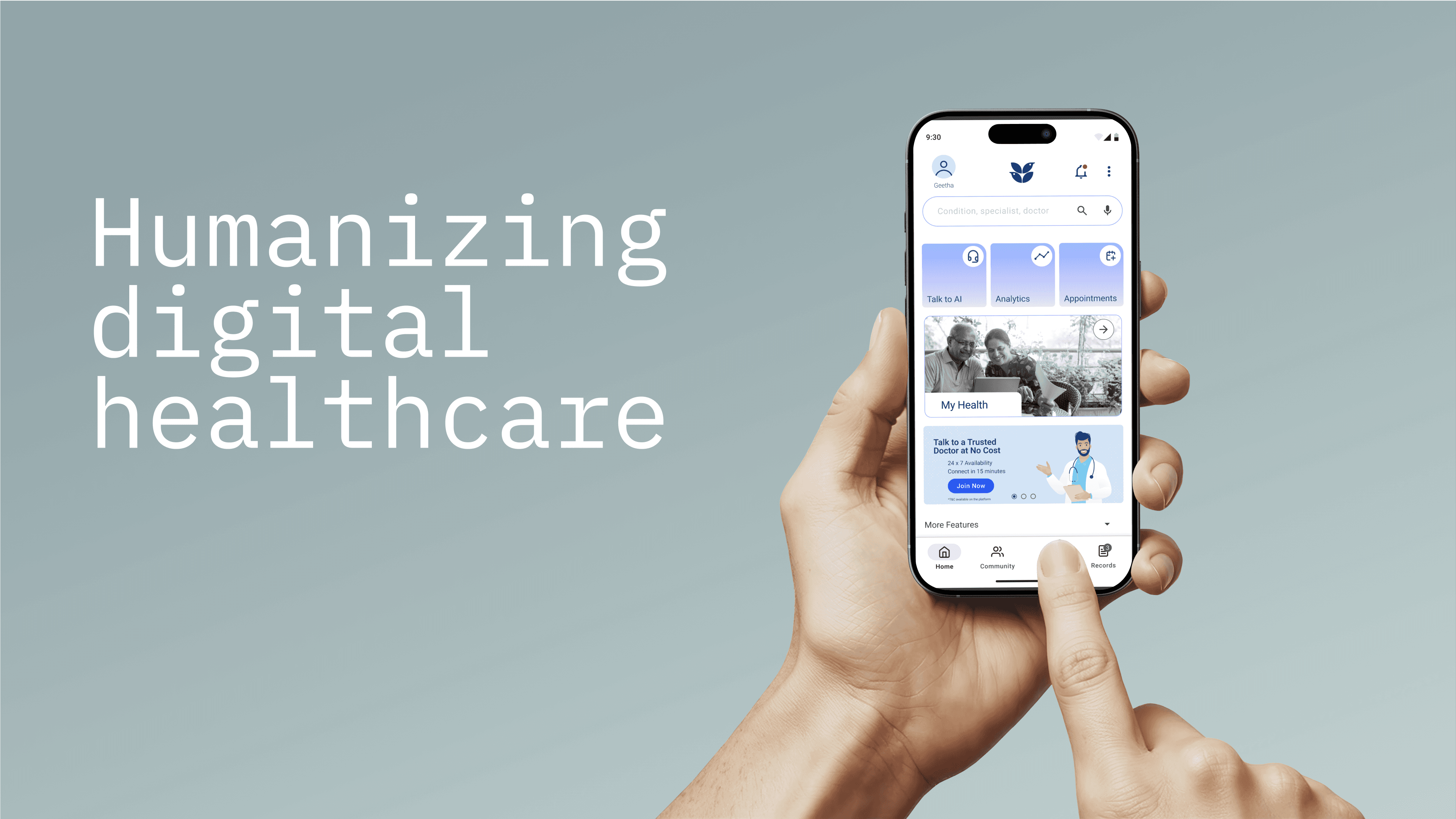
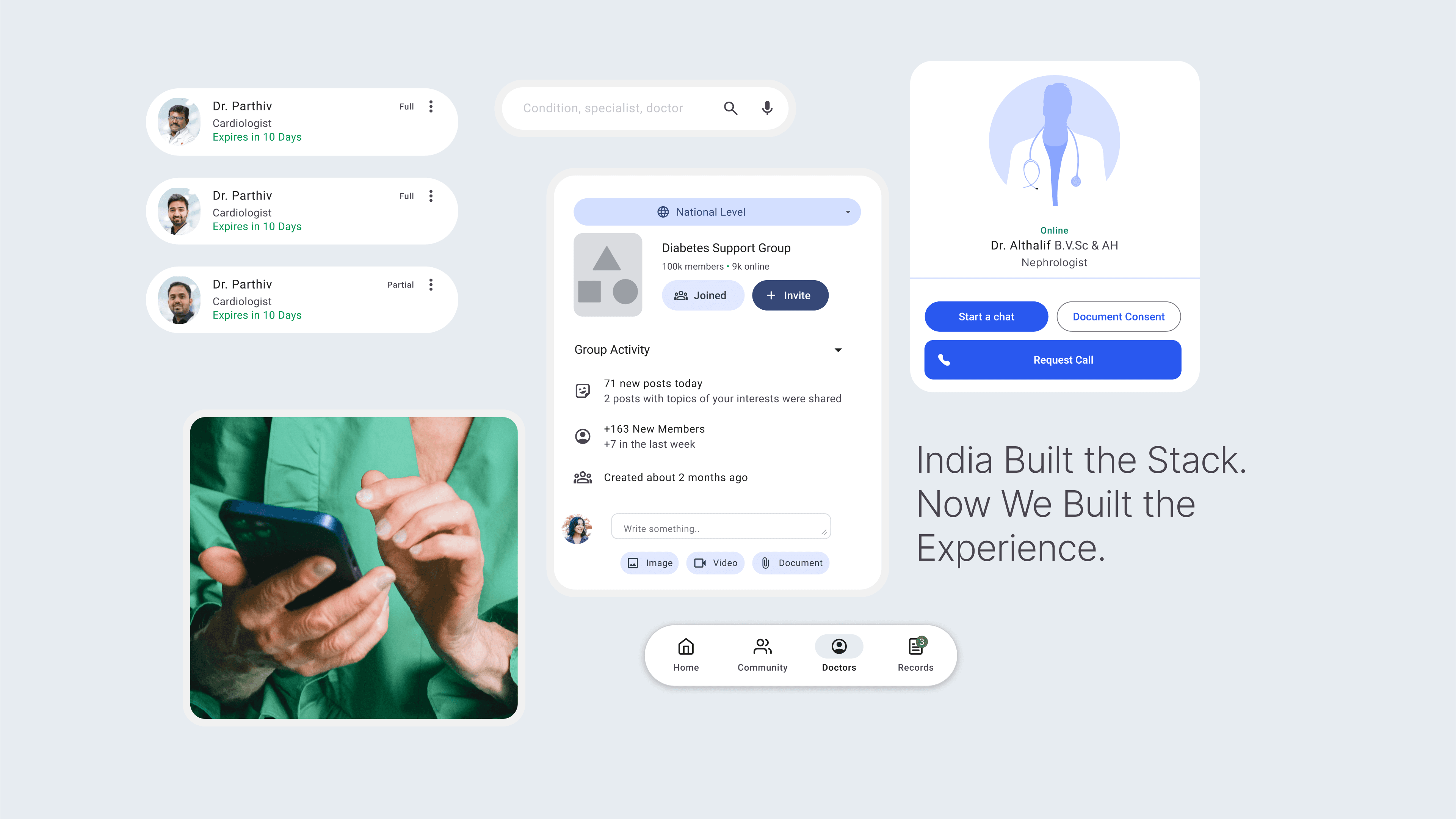
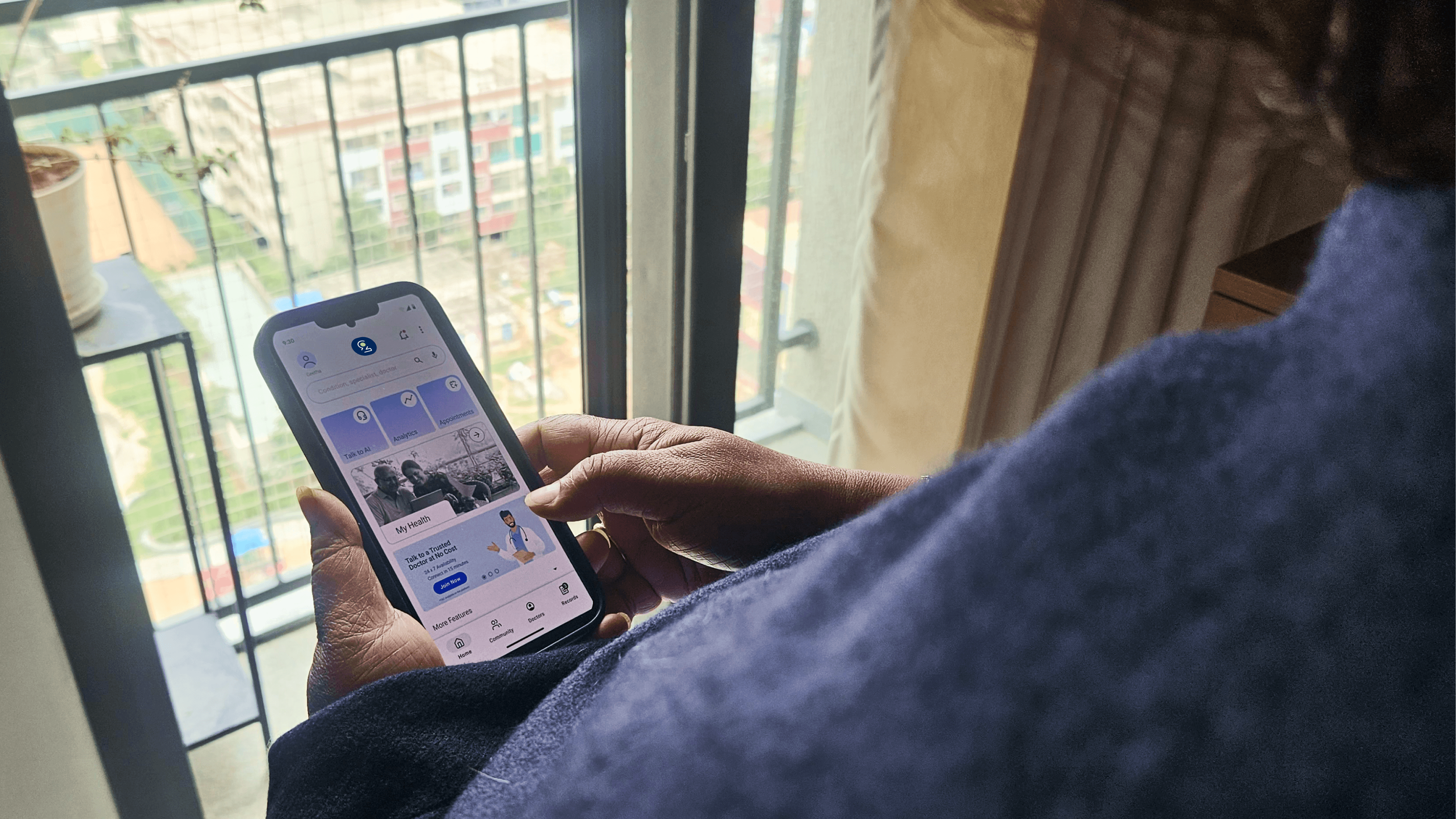
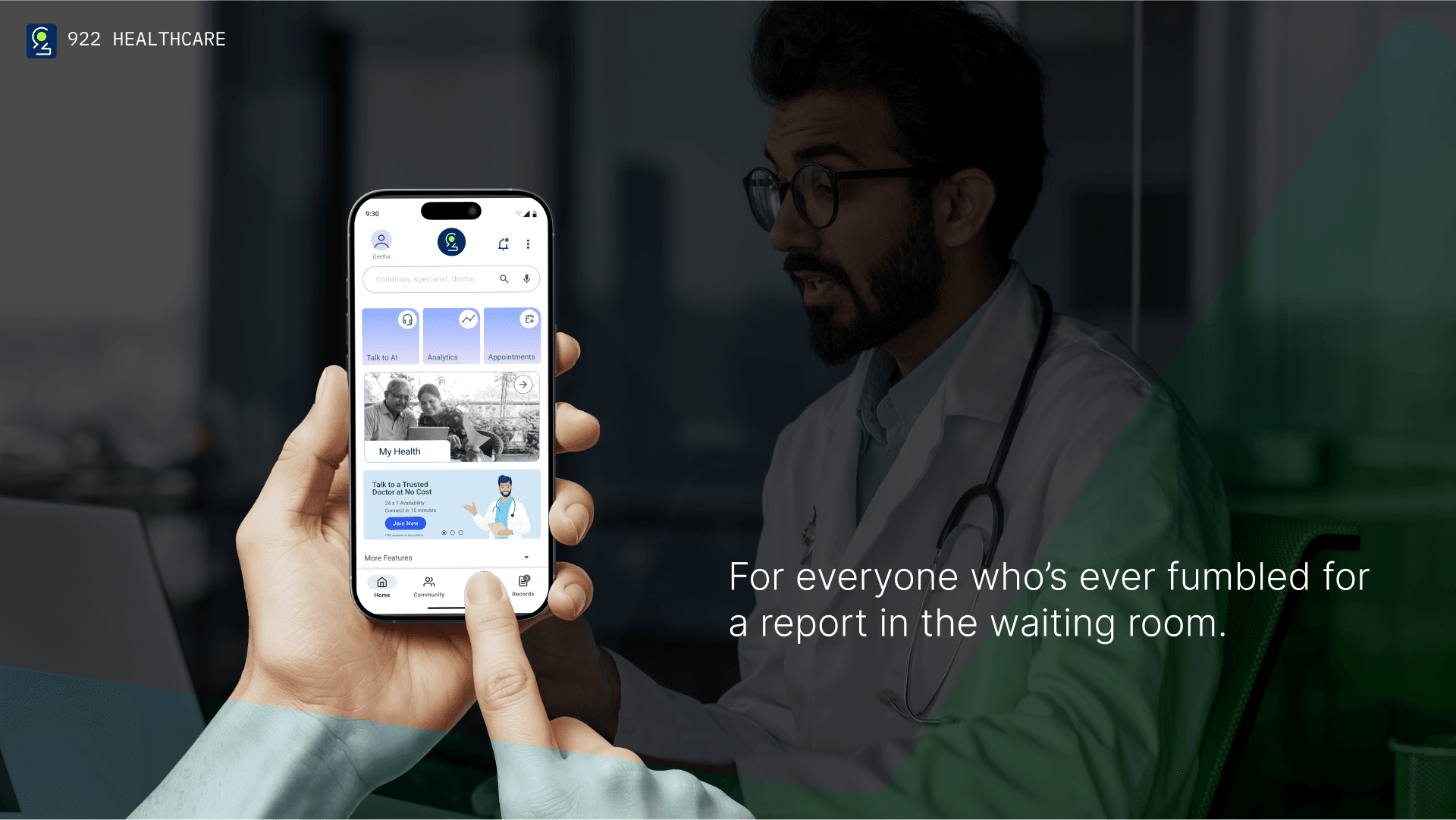
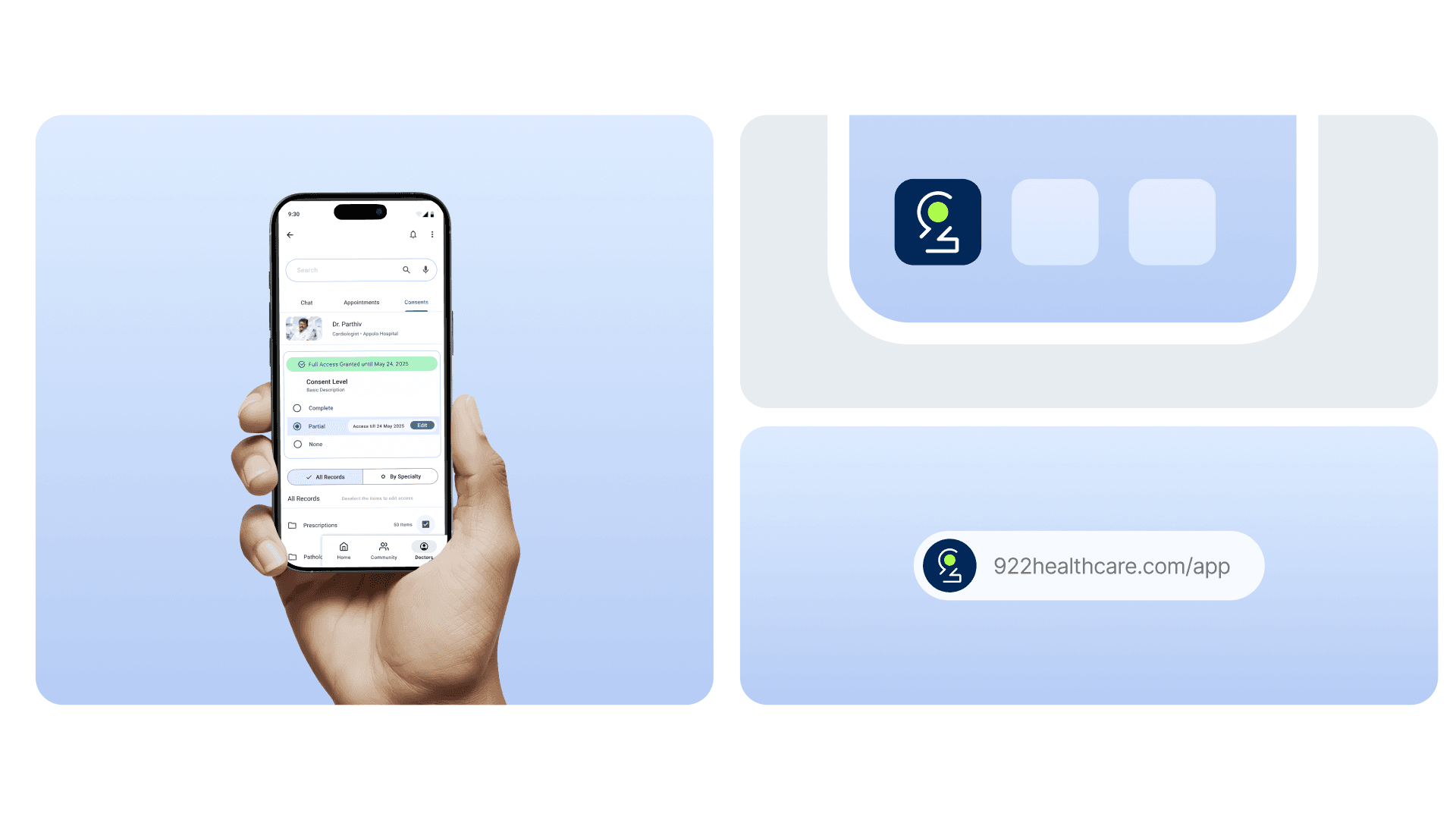
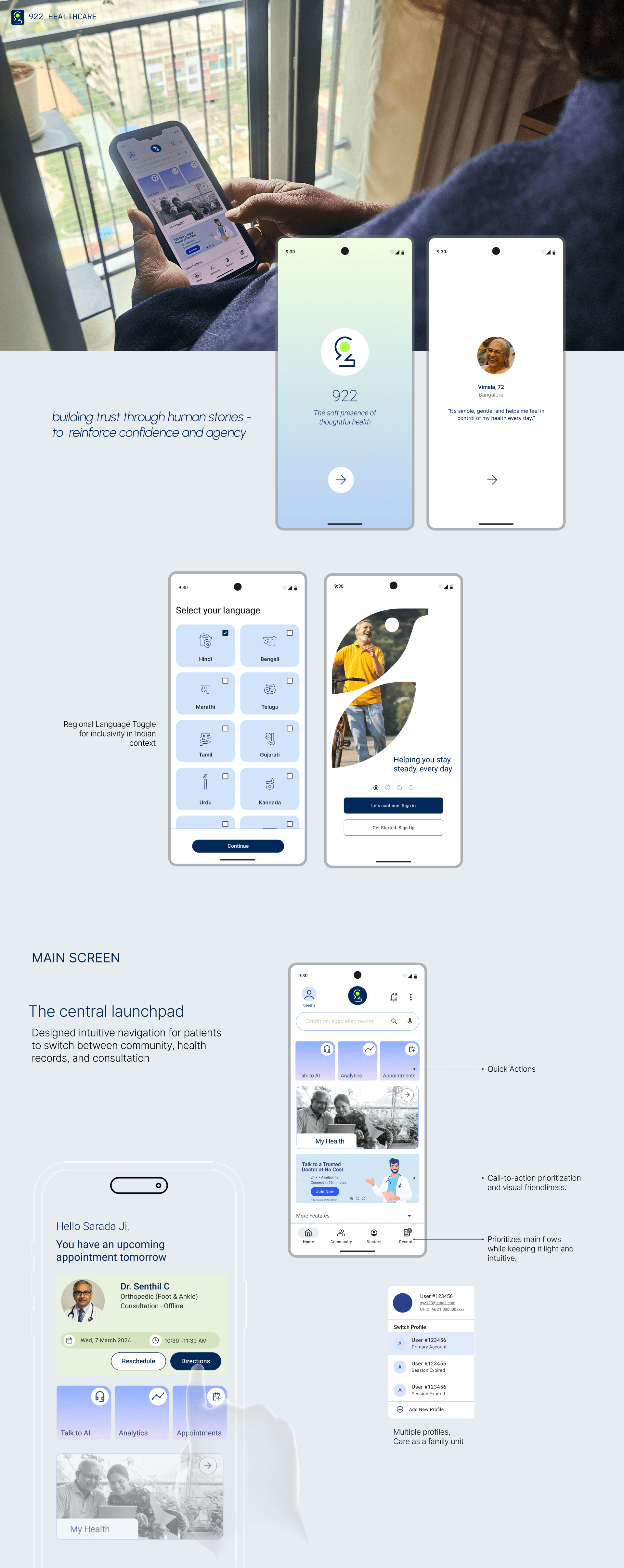
Unlike typical health forums, 922 allows patients to connect, share experiences, and selectively manage and share their health records—giving them control over their data while ensuring privacy and accessibility.
922healthcare.com/app
9:30

Health Records
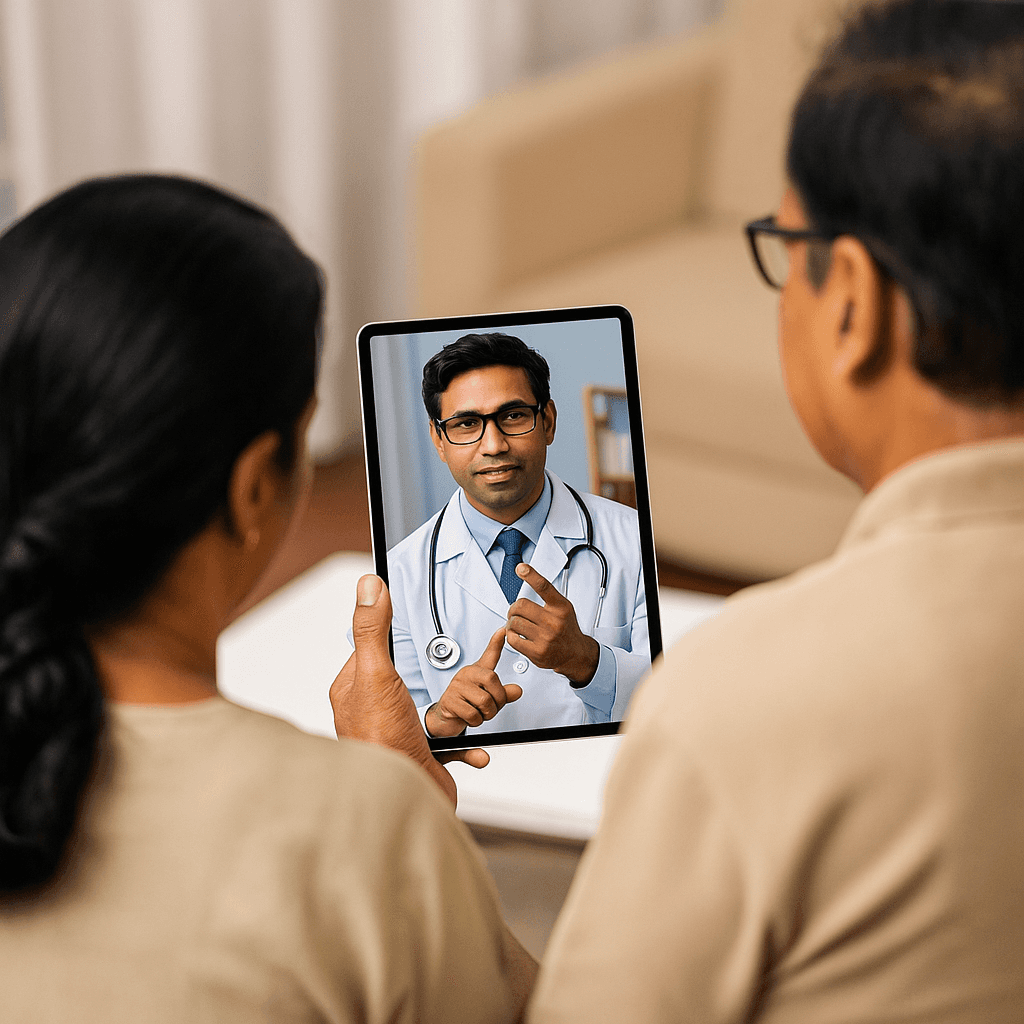
Doctors
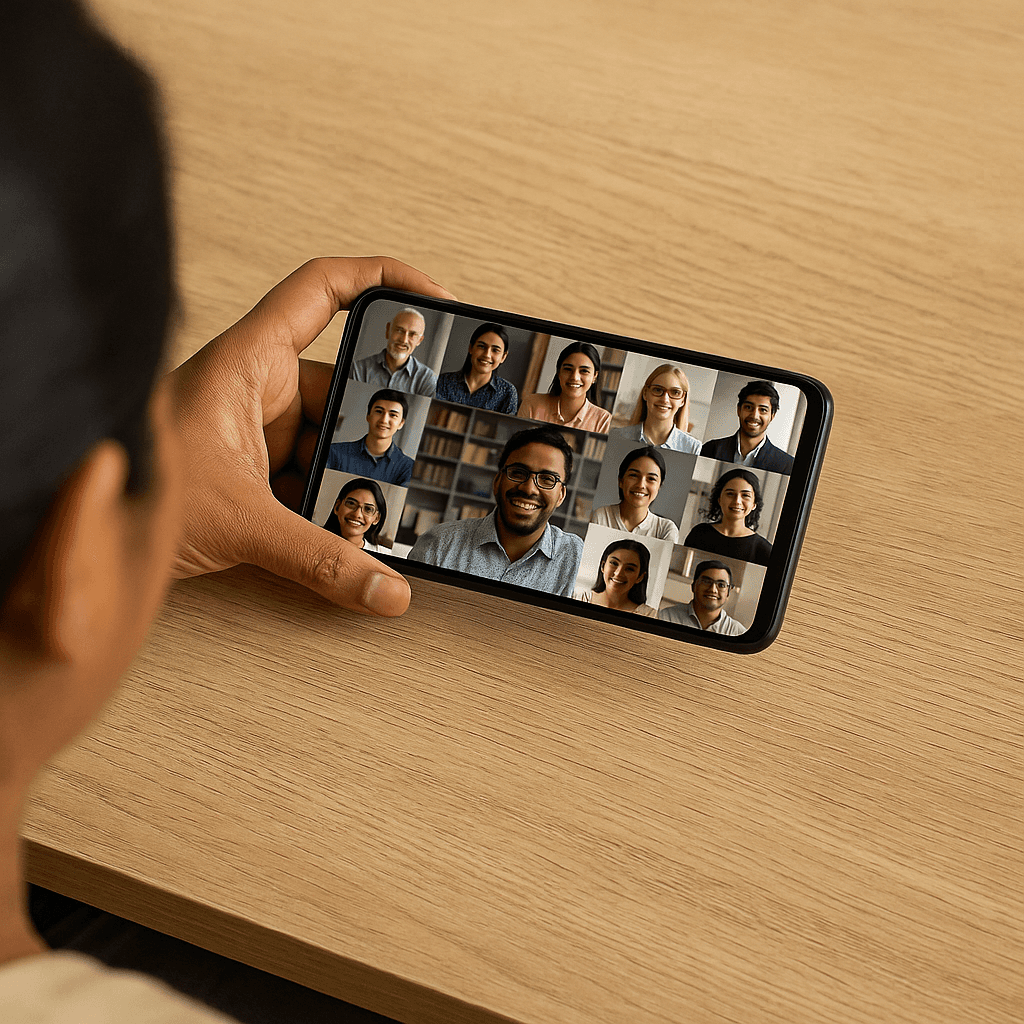
Community
Health Records
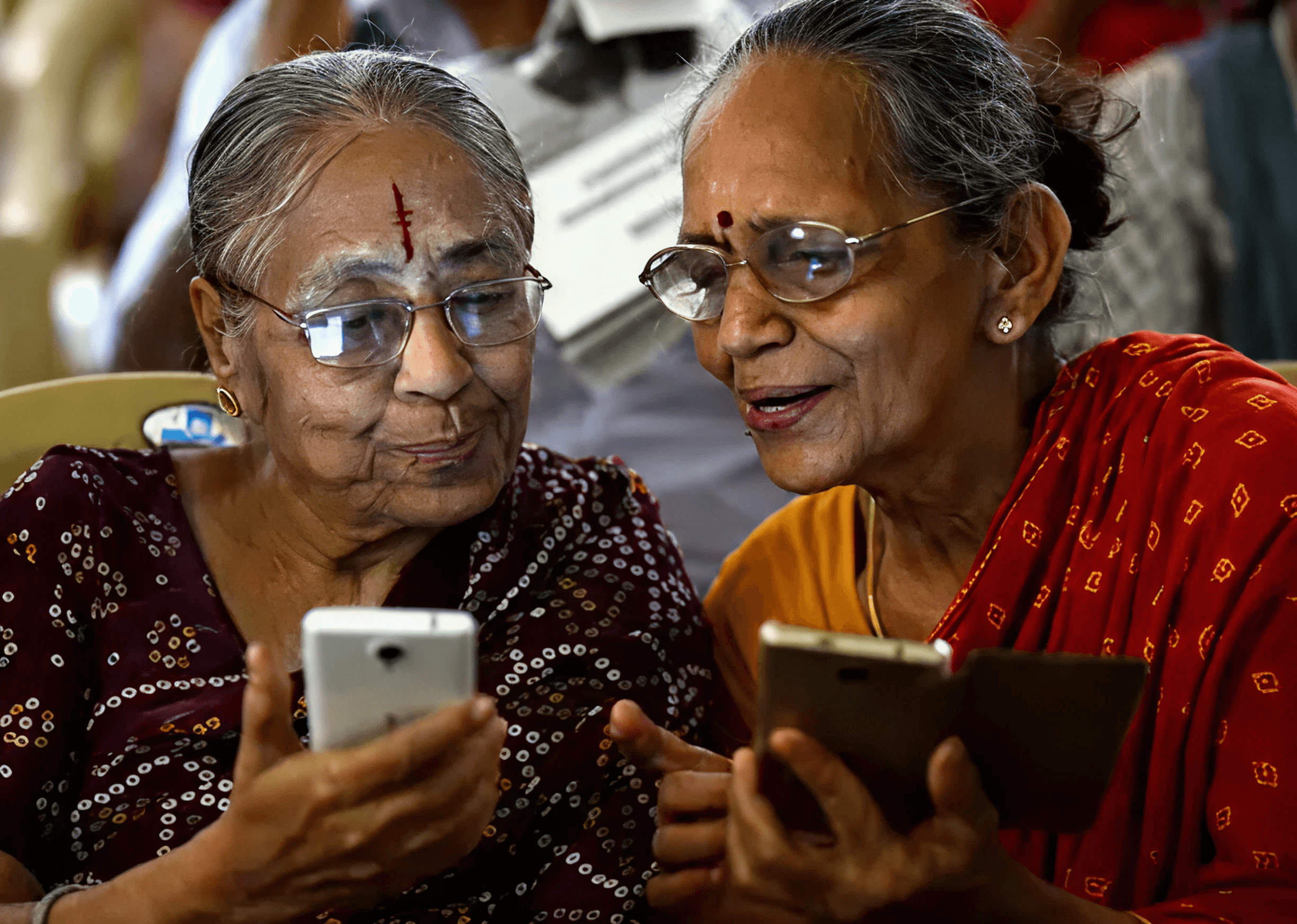
Medical AI
Doctors
Book new consultations via ABHA-linked registry
Time-bound consent control over seamless record sharing
Chat and follow-up seamlessly with doctors
Community
Join condition-specific communities at all levels
Contextual search bar to explore relevant threads
Presence of verified doctors and caregivers
Health Records
Auto-tagging and classification
ABHA-based pull from hospitals, labs, DigiLocker
Granular control over health data sharing
Medical AI
Agentic AI: “Would you like to share this report with your doctor?
Generative AI: Simplified summaries of medical reports
Predictive AI: Trends in vitals or medication adherence

Hush, Hush!
Pending permissions, client blessings, & the stars aligning.
Due to confidentiality, I can’t publish outcomes here, but the results have been deeply impactful. But if you’re curious about the design, I’ll gladly narrate it over a conversation. Discretion, after all, is sometimes the best design principle.
All the results from the testing phases are waiting for you just below.
They’re more interesting than they look at first glance, so go ahead and scroll through.
What does users think?
Testing Phase
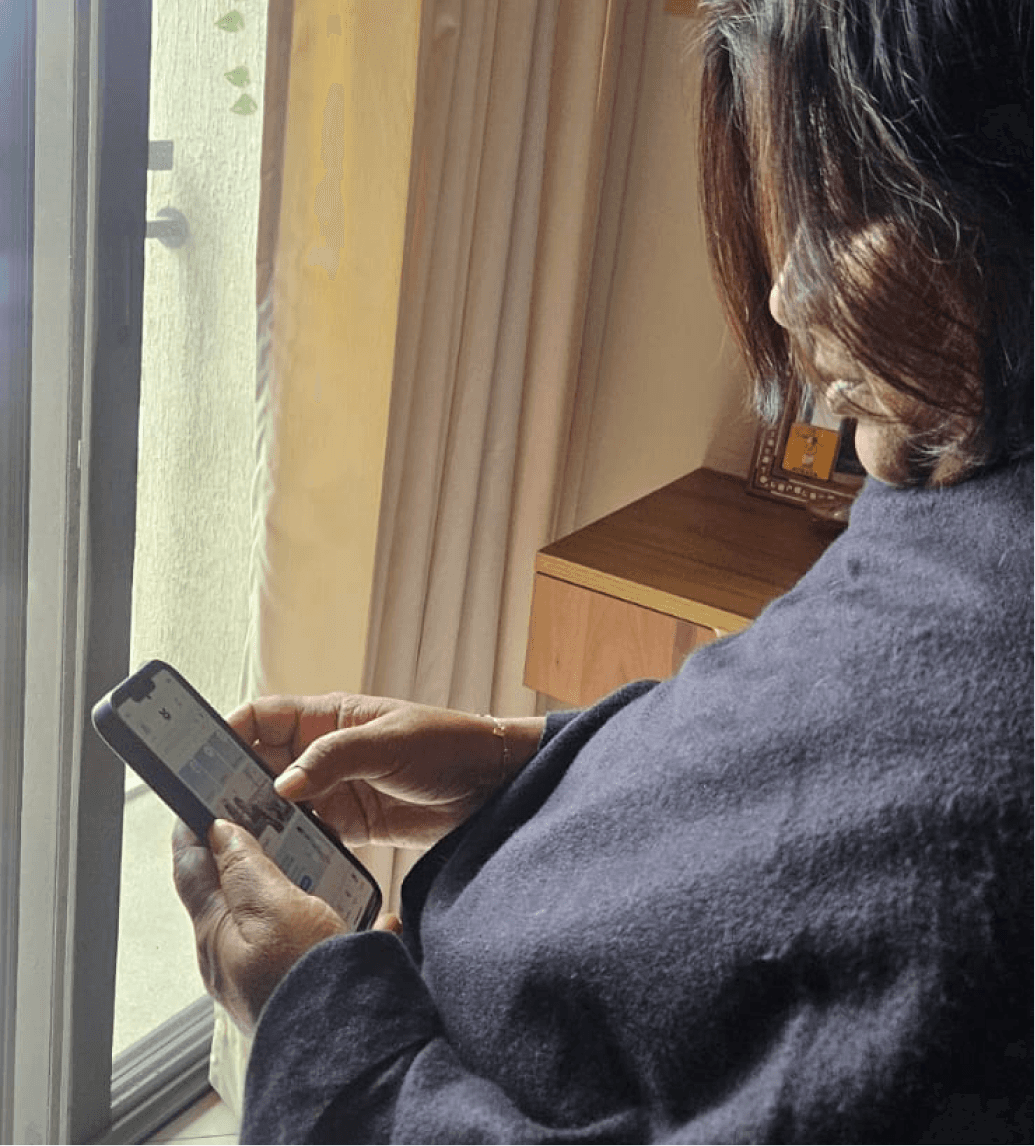
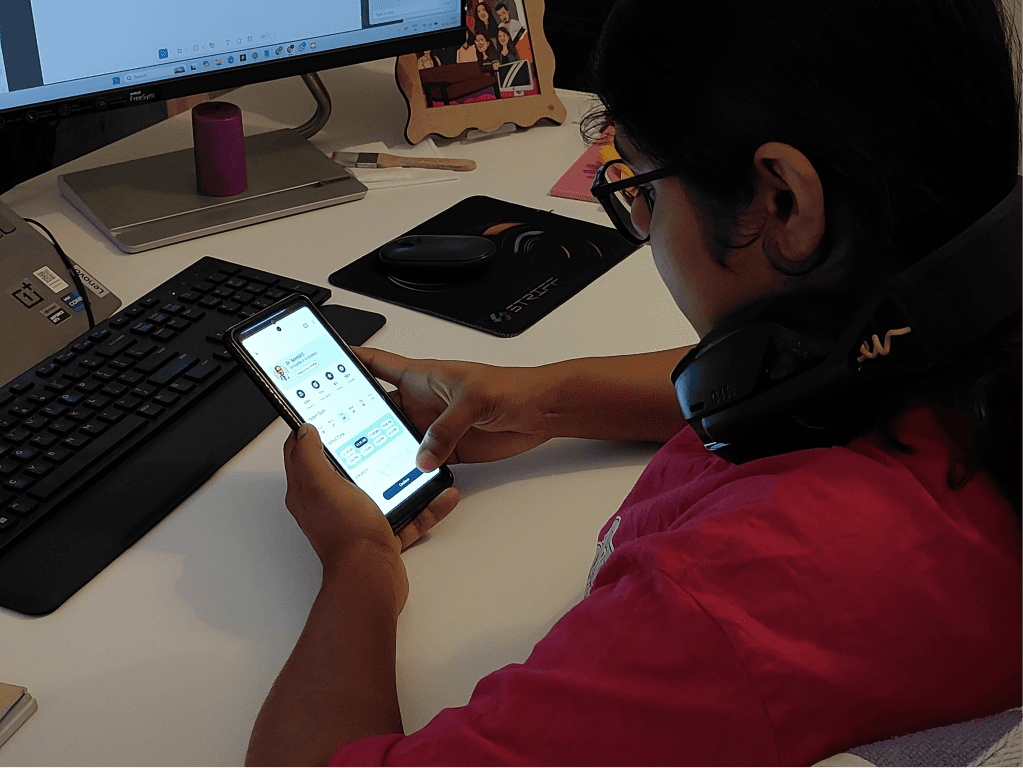
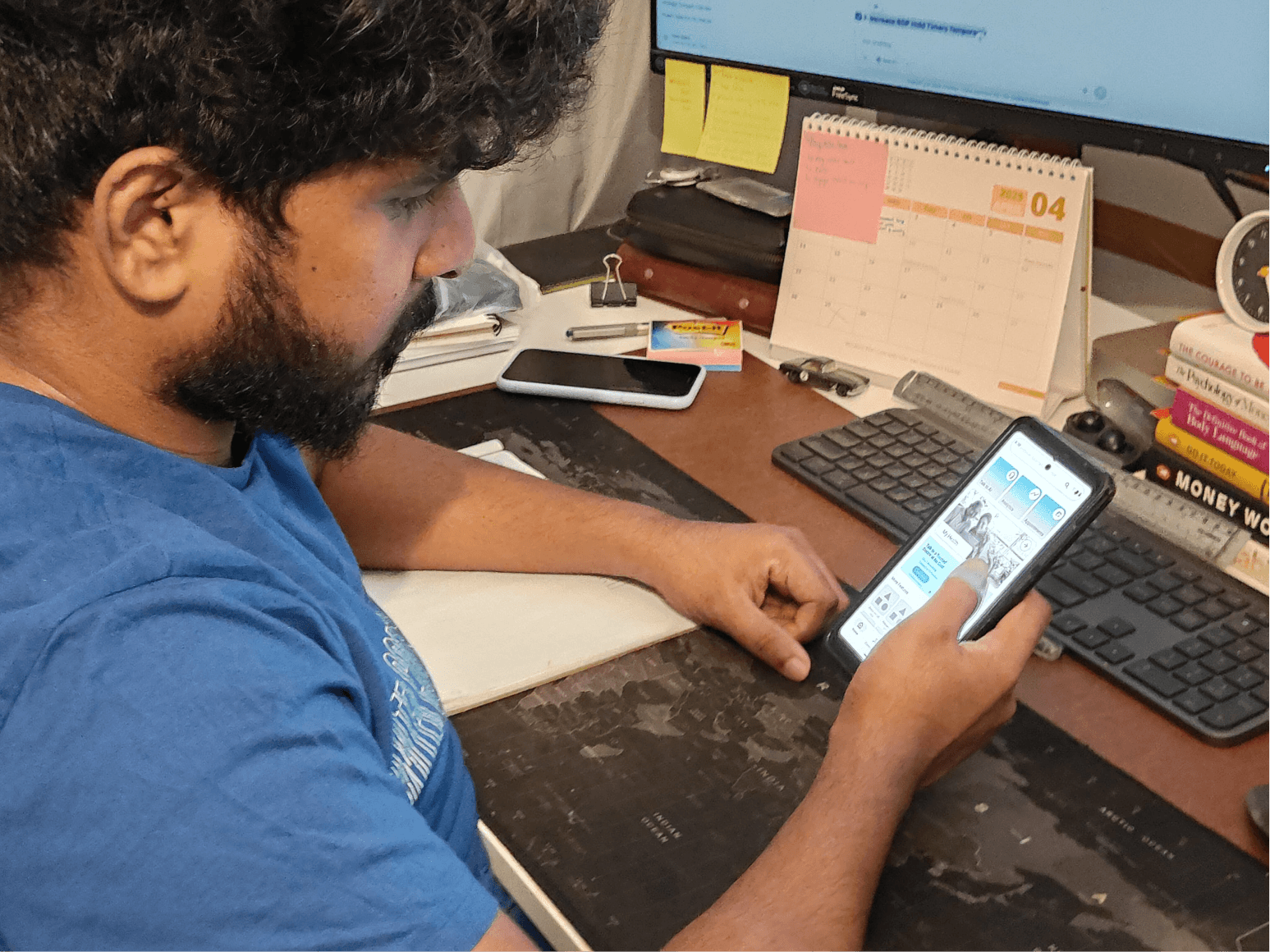
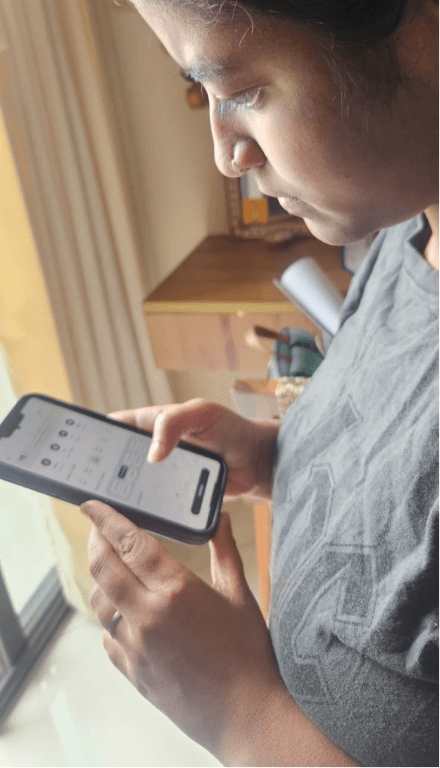
We reached out to chronic diabetes patients, their doctors, and caregivers to understand expectations from a platform in real situations.

Dr. Sadhana Rajnarayan
House Surgeon, Amrita Hospital
Patients who actively log their health data, they often scroll endlessly during consultations trying to ‘show everything’. They don’t know what’s clinically relevant
"

Premchand B
Diabetes Patient
I really like the design, but the features don’t always match what I expect. For example, ‘Reports’ and ‘Records’ sound the same.
"
This app looks professional, but it doesn’t feel very alive. I expected some interactive cues or small animations to guide me. Right now, it’s very static.
some features seem buried. I couldn’t easily find how to download my health summary or share it with a new doctor

Athul
Engineer
As a practitioner, I like the clarity of the reports and patient view. It’s much easier to get context quickly.
However, it doesn’t yet connect with my clinic’s EHR system — so I can’t really use it daily.
Also, many patients don’t understand what ‘consent’ in this context might mean. The consent interface could use simpler words.

Dr. Samyukta
House Surgeon
I manage my parents’ appointments, so having multiple profiles is a blessing. The tap-only navigation is clean and easy on my fingers.
I liked the graph view of my sugar levels, but I wish I could annotate it, like write ‘meter malfunctioned’ or ‘missed meds.’ That would make it more personal.

Abin
Architect
FAQ
If I can share a bit more about the project
What was my role vs. the team’s?
I led the end-to-end UX and UI design for the Patient App, defined flows & built all mid-fidelity prototypes. I also created the Doctors App while making sure of aligning shared patterns in both platforms.
What is the current status of the project?
Mid-fidelity prototypes for both Patient and Doctor apps are complete and under review for implementation alignment.
Currently figuring out next steps for design system build.
What were your biggest design challenges?
Translating complex ABDM policies into friendly user flows.
Maintaining a balance between security and simplicity.
Designing for low trust, low literacy users while still integrating AI and health data features.
Overcoming these meant continuous iteration and close alignment with actual ABDM reference app patterns.
What impact do you hope this project achieves?
To make digital health feel less intimidating and more accessible, especially for first-time users of government-backed digital systems. I see this project as a step toward universal, emotionally intelligent healthcare access, where technology adapts to people, not the other way around.
What would you do next if given more time?
I’d spend more time observing real users using the app long-term, to see how it changes their confidence with digital health.
How do you measure success in this project?
Through three key lenses:
Adoption: users successfully create ABHA IDs and complete onboarding.
Trust: reduced consent drop-offs, improved comprehension.
Engagement: active usage of health records and appointment features beyond initial sign-up.
Thank you
Let's Connect
Feel free to contact me if having any questions. I'm available for new opportunities or just for chatting.
Contact me